Menashe Kadishman (1932–2015)
Menashe Kadishman (1932–2015), one of Israel’s foremost artists and a recipient of the Israel Prize, was born and raised in Tel Aviv. As a young man, he studied sculpture at the Avni Institute and worked as a shepherd on a kibbutz—a formative experience that profoundly shaped his artistic vision. He later worked in quarrying and mosaic restoration. In 1959, he traveled to London, where he studied under some of the world’s leading sculptors.
In 1978, Kadishman represented Israel at the Venice Biennale with his Sheep Project, which became one of his most distinctive artistic signatures. His children, painter Ben-Zion Kadishman and artist Maya Kadishman, who is married to artist Eran Shakine, have also pursued careers in the art world.
About the Artwork
Kadishman’s work has become synonymous with original Israeli art, reflecting the complexities of life in Israel—from a deep love of the land and nature to pain, loss, and heroism. His iconic sheep portraits, vibrant with color and vitality, originated in his early experiences as a shepherd at Kibbutz Ma’ayan Baruch during his service in the Nahal military unit.
In Sheep Hill, Kadishman employs iron and industrial metal to create an environmental sculpture with an epic presence. The imagery of sheep in this work draws on his memories of shepherding flocks that grazed alongside the security fences along Israel’s northern border. His realization that nature and life itself are constrained by international borders and barbed-wire fences transformed the sheep in his artistic language from a simple, pastoral symbol into a profound existential metaphor for sacrifice, limitation, and freedom.
The work commands the viewer’s attention through its powerful dialogue between the hardness of the material and the sensitive human and national symbolism embedded within it.
Yehi’el Shemi (1922–2003)
Yehi’el Shemi (1922–2003), an Israeli sculptor and painter and recipient of the 1986 Israel Prize for Sculpture, was one of the key figures in Israeli art. As a prominent member of the New Horizons group, Shemi helped bring about a major breakthrough in local sculpture, shifting it away from traditional figurative representation toward abstract sculpture in iron.
About the Artwork
During the 1980s and 1990s, as part of his later artistic period, Shemi created Syllables, a series of abstract, minimalist sculptures. The series is characterized by the use of exposed, unadorned materials, including iron plates, steel, and wood, with particular emphasis on the joints connecting the individual elements.
The series’ title, derived from the linguistic term syllable (a phonological unit used to organize speech sounds), underscores the abstract nature of these works. Shemi conceived of art and sculpture as a form of pure visual linguistics—a language that requires no message, symbol, literary narrative, or ritual. His works embody a secular spirit in the sense of creative freedom, openness to ideas, and liberation from imposed constraints. Just as spoken syllables create rhythm and structure in language, Shemi repeats a visual unit with subtle variations. The viewer and the surrounding landscape imaginatively supply the consonants, giving rise to a visual word in space.
The sculpture’s composition is diagonal and dynamic, consisting of two wooden beams resting on a pair of iron profiles, which are positioned on an iron base plate. The arrangement is similar to his 1986 sculpture Syllables of Ginosar. This structure highlights the potential for the individual elements to be dismantled and reassembled. Furthermore, as part of Shemi’s minimalist exploration of sculptural mass and gravity, the work creates a sense of tension and precarious balance, as though even the slightest movement could disrupt its equilibrium and cause the sculpture to fall.
Dov Feigin (1907–2000)
Dov Feigin (1907–2000), one of the leading figures in Israeli sculpture, was born in Luhansk, Ukraine, into a traditional family of tailors. As a young man, he joined the Hashomer Hatzair youth movement. His involvement led to his arrest by the Soviet authorities and exile to Kazakhstan. In 1927, he immigrated to Mandatory Palestine and became one of the founders of Kibbutz Afikim. A few years later, however, he moved to Tel Aviv to devote his life to art.
Between 1933 and 1937, Feigin studied sculpture in Paris, then a major center of the international avant-garde, where he absorbed considerable artistic inspiration. Upon returning to Israel, he settled in Givatayim. In 1948, he became one of the founders of the New Horizons group, an artistic movement that steered Israeli art toward modernism and abstraction. Throughout his career, he made significant contributions to Israeli cultural life, serving, among other roles, on the Public Council for Culture and Art and on the committee responsible for designing Israel Defense Forces decorations.
About the Artwork
Feigin’s early artistic career was characterized by a figurative, realist approach and Impressionist influences. From the mid-1940s onward, however, and as a central part of his involvement in New Horizons, he developed a new sculptural language based on abstraction. He began translating landscapes and forms from the animal world into airy, geometric structures that engage in a distinctive dialogue with space.
The sculpture Animal exemplifies this approach. It depicts an imaginary creature, resembling a winged dragon, firmly grounded while simultaneously conveying a sense of movement and wings spreading into the surrounding landscape. The work bridges material solidity with lightness and geometric abstraction, expressing the sculptor’s complex relationship with the environment and the space around it.
ערן שקין (נולד ב-1962), מן הבולטים באמנים העכשווים בישראל, פועל ויוצר על הקו שבין תל אביב, לונדון וניו יורק. הוא נולד בתל אביב לזוג הורים ניצולי שואה – אביו סופר ואמו מעצבת אופנה ומאיירת. שקין למד אמנות ותולדות האמנות בתל אביב וב'אקול דה בוזאר' בפריז, ובהמשך התגורר בניו יורק, שם עבד כאסיסטנט של האמן קארל אפל. עבודותיו מוצגות בגלריות ובמוזיאונים מובילים בעולם, בהם המוזיאון הבריטי בלונדון, מוזיאון לודוויג בגרמניה, מוזיאון תל אביב ומוזיאון ישראל.
על היצירה
ביצירות הפיסול בברזל, שקין בוחן את היחסים המורכבים בין חומריות קשיחה לבין תפיסת החלל והאדריכלות. הפסל שלפנינו מציג עמוד ברזל אנכי בעל טקסטורה חלודה וגולמית, שבחלקו העליון נחשפת שרשרת מדורגת של מדרגות, גומחות, מעברים ונישות.
באמצעות הזערה (מיניאטוריזציה) של אלמנטים אדריכליים, שקין מציג בפסלו 'מבנה ציבור' דגם מוקטן המקפל בתוכו תמצית של סביבת חיים אורבנית. עם זאת, המבנה אינו מציע היגיון פונקציונלי או שימושי, אלא מייצר מרחב סוריאליסטי וחידתי. המדרגות המובילות לשום מקום והמעברים הקטומים מהדהדים את עבודותיו של מ'ק אשר (M.C. Escher), הנודע ביצירת מבנים בלתי-אפשריים, פרדוקסים מרחביים ועולמות אבסורדיים.
שקין מטעין את הברזל הכבד והתעשייתי במשמעות של הרהור קיומי: המבנה המוקטן פועל כמיקרוקוסמוס סוריאליסטי של החיים העירוניים, ומזמין את המתבונן לתהות על המבוך האנושי, על כיווני הצעידה שלנו ועל התחושות של חיפוש, קפאון ובדידות בתוך הסדר האורבני.
ערן שקין (נולד ב-1962), מן הבולטים באמנים העכשווים בישראל, פועל ויוצר על הקו שבין תל אביב, לונדון וניו יורק. הוא נולד בתל אביב לזוג הורים ניצולי שואה – אביו סופר ואמו מעצבת אופנה ומאיירת. שקין למד אמנות ותולדות האמנות בתל אביב וב'אקול דה בוזאר' בפריז, ובהמשך התגורר בניו יורק, שם עבד כאסיסטנט של האמן קארל אפל.
עבודותיו של שקין מוצגות בגלריות ובמוזיאונים מובילים בעולם, בהם המוזיאון הבריטי בלונדון, מוזיאון לודוויג בגרמניה, מוזיאון תל אביב ומוזיאון ישראל, וכן באוספים פרטיים רבים.
על היצירה
יצירתו של שקין נעה במיומנות בין ציור לפיסול, תוך חקירה מתמדת של חומריות, טקסטורה וצורות השאובות מהמזרח הקדום. מוטיב העיזים ובעלי החיים מלווה את עבודתו עוד משנות ה-90; בראשית דרכו הופיעו העיזים בציור אקספרסיבי ועז חומר, ובהמשך התגבשו לכדי שדרה ייחודית של פסלי ברונזה.
בפסל 'שלושת עיזים גדולות' מעניק שקין לחומר הברונזה הקלאסי והכבד איכות נושמת וחיות אקספרסיבית. הברונזה, המאפשרת ללכוד פרטים טקסטורליים עדינים לצד עמידות פיזית במרחב הפתוח, משמשת כאן גשר בין היצירה האנושית לבין הטבע והאדמה. העיזים מציירות דימוי של טבע מקומי, ראשוני וכמעט ארכאי, המתכתב בו-זמנית עם נופים קדומים ועם שפה מודרנית ופופ-ארטית.
העיזים במרחב הציבורי מייצרות דיאלוג בין הסביבה האורבנית המתוכננת לבין הטבע החופשי והבראשיתי.
דוד פיין (נולד ב-1928), מהפסלים הבולטים בצפון הארץ, נולד בדרום אפריקה ועלה לישראל בשנת 1948 במסגרת המח'ל. הוא הצטרף להכשרת הפלמ'ח בקיבוץ מעיין ברוך, שבו הקים את ביתו וחי עד היום. בשנות ה-60 למד ולימד קרמיקה במכון לאמנויות במכללת תל חי, ובהמשך הקים בו את המדור לפיסול והיה מורה לרבים. פיין היה ממארגני אירועי הפיסול הסביבתי המכוננים 'תל חי 80', הציג בתערוכות רבות והציב אנדרטאות ופסלים סביבתיים בכל רחבי הארץ.
על היצירה
שפתו האמנותית של פיין צומחת מתוך חיבור עמוק לאדמת הגליל ולאבניה. לאורך השנים הוא חוצב ומגלף בסלעי הבזלת והאבן המקומיים, כשהוא מקשיב לצורתם הטבעית ומחלץ ממנה דמויות אנושיות, רוכבים, סוסים ובעלי חיים עוצמתיים. יצירתו שזורה כולה בחיי השדה והחלוציות במעיין ברוך, ומהדהדת זיכרונות מנופי ילדותו בדרום אפריקה לצד חוויותיו כבוקר בגליל.
הפסל המוצג בגן, המגולף בסלע בזלת מקומי, מציג דמות חיה מרוכזת ובעלת עוצמה גולמית. פיין משלב בטבעיות בין המרקם המחוספס והנקבובי של הבזלת לבין קימורים עגולים ורכים המעניקים לסלע הכבד תחושה של חיוניות ונשימה. העבודה מדגישה את גיסתו האמנותית: התערבות מינימלית בחומר, המכבדת את הפראיות המקורית של האבן ומטעינה אותה בנוכחות ארכאית, נופית ואנושית המחוברת באופן בלתי-נפרד לאדמת הצפון.
עמוס קינן (1927–2009), מהדמויות הססגוניות והמשפיעות בתרבות הישראלית, היה עיתונאי, מחזאי, סופר ואמן פלסטי. בצעירותו לחם בלח'י ובמלחמת העצמאות, והיה מזוהה עם התנועה 'הכנענית' בראשות יונתן רטוש. לאורך השנים פרסם טורים סאטיריים נוקבים ('עוזי ושות''), כתב תסריטים ומחזות אוונגרד, והיה פעיל מרכזי בזירה האמנותית והציבורית. בשנות ה-50 וה-60 שהה בפריז, שם פיסל ויצר בזיקה לזרמים הבינלאומיים. בשלהי שנות ה-80 שימש כמנהל המוזיאון הפתוח בתפן, ובשנות ה-90 שב להתמקד ביצירה פיסולית.
על היצירה
יצירתו הפיסולית של קינן מתאפיינת בחיבור מרתק בין מורשת הפיסול הכנעני ואמנות המזרח הקדום (הסהר הפורה) לבין תפיסות מודרניסטיות של הפשטה וצמצום.
הפסל 'שור', המגולף באבן בהירה, מציג את החיה החזקה במראה מופשט, גושני ומהודק. קינן אינו חותר לתיאור נטורליסטי מדויק, אלא מתרגם את דמות השור לכדי נפח פיסולי קומפקטי בעל קימורים רכים וקווים זורמים. הראש הרכון כלפי מטה, החרטום הניצב קרוב לאדמה והקרניים הבולטות מנוסחים בצורות גיאומטריות מתומצתות.
למרות שמדובר ביצירה קטנת-ממדים יחסית, היא משדרת מונומנטליות מרשימה ומשקפת תכונות של פיסול ארכאי. העבודה משלבת בין הכוח הגולמי המזוהה עם השור לבין שקט פנימי והתכנסות בחומר. השור מופיע כסמל פולחני קדום הטעון בזיכרון היסטורי ותרבותי עמוק, וממחיש את שפתו הייחודית של קינן: פיסול באבן מקומית המגשר בין מיתוס עתיק לשפה אמנותית עכשווית.
מנשה קדישמן (1932–2015), מגדולי האמנים בישראל וחתן פרס ישראל, נולד וגדל בתל אביב. בנעוריו למד פיסול ב'מכון אבני', עבד כרועה צאן בקיבוץ – חוויה שעיצבה את עולמו האמנותי – ובהמשך עסק בכרייה ובשחזור פסיפסים. בשנת 1959 נסע ללונדון והתחנך אצל מבכירי הפסלים בעולם.
קדישמן ייצג את ישראל בביאנאלה בוונציה ב-1978 עם 'פרויקט הכבשים', שהפך לאחד מסמליו המובהקים. ילדיו, הצייר בן-ציון קדישמן והאמנית מאיה קדישמן (הנשואה לאמן ערן שקין), ממשיכים את דרכו בעולם האמנות.
על היצירה
דרכו האמנותית של קדישמן נעה מפיסול פיגורטיבי ומופשט, דרך אמנות אדמה ועד לעיסוק עמוק במיתוס עקדת יצחק. היצירה 'לידה' שזורה בתמות מרכזיות אלו, אך קושרת את הלידה דווקא לקורבן, לזיכרון ולמוות – בדומה למסורת ה'פייטה' והאמנות הנוצרית, בהן היילוד נתפס מראש כמי שנולד להקריב את חייו.
הלידה אצל קדישמן אינה רק שכול, אלא גם תקומה ותחייה: היא מביעה את יכולתו של האדם להתאושש וליצור מתוך השבר, ומדהדה את רווחתו האישית כשאביו ובנו שבו בשלום משירותם הצבאי. היצירה עשויה מתכת תעשייתית, אך החומר המודרניסטי מאבד ממשקלו והופך לצללית חלולה וכמעט ריקה – כמעין מגזרת נייר הטוענת את קווי המתאר ברטט רגשי. קדישמן מעניק כאן ביטוי פיזי לזעקת האמהות ולקשר הבלתי-נפרד בין בריאת חיים לחרדת אובדנם.
עפרה צימבליסטה (1939–2014) נולדה בתל אביב והתחנכה בקיבוץ שריד. לאחר עבודה כאחות מוסמכת, פנתה לעולם האמנות ובשנת 1971 החלה את לימודיה בבית הספר 'קלישר'. את דרכה האמנותית החלה בציור ובשיתופי פעולה ייחודיים, כגון יצירה משותפת עם המשוררת יונה וולך, עד שבשנת 1987 החלה להתמקד בפיסול – התחום שהפך למזוהה עמה ביותר. צימבליסטה התגוררה בקריית אונו ויצרה בסטודיו שלה באשדוד.
על היצירה
ראשית דרכה הפיסולית של צימבליסטה התאפיינה ביצירת תבליטים מופשטים מחול ומחומרים טבעיים, לצד עבודה בטכניקות מעורבות על גבי טקסטיל. החל מסוף שנות ה-80 החלה ליצור פסלים בדמות גוף אנושי באמצעות יציקות ישירות. שימושה בצבעים עזים, ובייחוד הכחול המזוהה עמה, העניק לדמויות איכות סמלית ועל-זמנית.
הפסל 'הולכים' הוא מהנודעים והמזוהים ביותר עם יצירתה. העבודה נוצקה מברונזה חלולה על גופם של בני משפחתה וחבריה מעולם האמנות – בהם בעלה דובי, הצלם שמחה שירמן, האמן והאוצר חיים מאור והאמנית ריטה אלימה.
הדמויות מוצגות בתנועת הליכה, אך נראות כקפואות בזמן. על אף עירומן, הן מכונסות בתוך עצמן ומנותקות מהסביבה ומאלו שצועדים לצדן, כמעין 'מתים מהלכים'. הפסל מעלה שאלות עמוקות על בודדות, זמניות וקיום אנושי במרחב, והפך לאחד האייקונים הבולטים של האמנית.
ברני פינק (נולד ב-1942), מהבולטים שבפסלי הסביבה בישראל, נולד ביוהנסבורג שבדרום אפריקה ועלה לארץ בשנת 1962. לאורך עשוריו כיוצר, פינק מתמחה בפיסול חוץ, בתבליטי קיר ובפיסול סביבתי מחומרים מגוונים. בין יצירותיו הציבוריות והנודעות ביותר נמנות האנדרטה לזכר גבורת החיילים והפרטיזנים היהודים במלחמת העולם השנייה ב'יד ושם' בירושלים (1984), ואנדרטת 'יד לחללי אסון השייטת' בשבי ציון (1999).
על היצירה
פינק מרבה ליצור פסלים מונומנטליים המנהלים דיאלוג ער ועמוק עם הסביבה והנוף. בפסל 'הר תבור' הוא מבצע מחווה אמנותית מורכבת: הוא מתרגם את נוכחותו המונומנטלית של ההר המפורסם לכדי פסל קטן-ממדים, המשרטט את צורת ההר בקווים מתומצתים ומזוקקים ומשמש כמעין מצע ציורי למראה שקיעת השמש.
באמצעות הצמצום קנה המידה, פינק מעורר תעתוע תפיסתי מלא מחשבה. היצירה קטנת-הממדים טוענת בחובה איכות מונומנטלית כמעט אינסופית, ובכך מעלה שאלה קיומית ואסתטית: האם מונומנטליות תלויה אכן בגודלו הפיזי של הפסל, או שמא היא טמונה באנרגיה ובמשמעות שהאמן מצליח ליצוק לתוך החומר? במזג אוויר בהיר, היצירה משקיפה באופן ישיר אל הר תבור הניצב באופק, ובכך נסגר המעגל בין הייצוג הפיסולי המזוקק לבין הנוף הממשי.


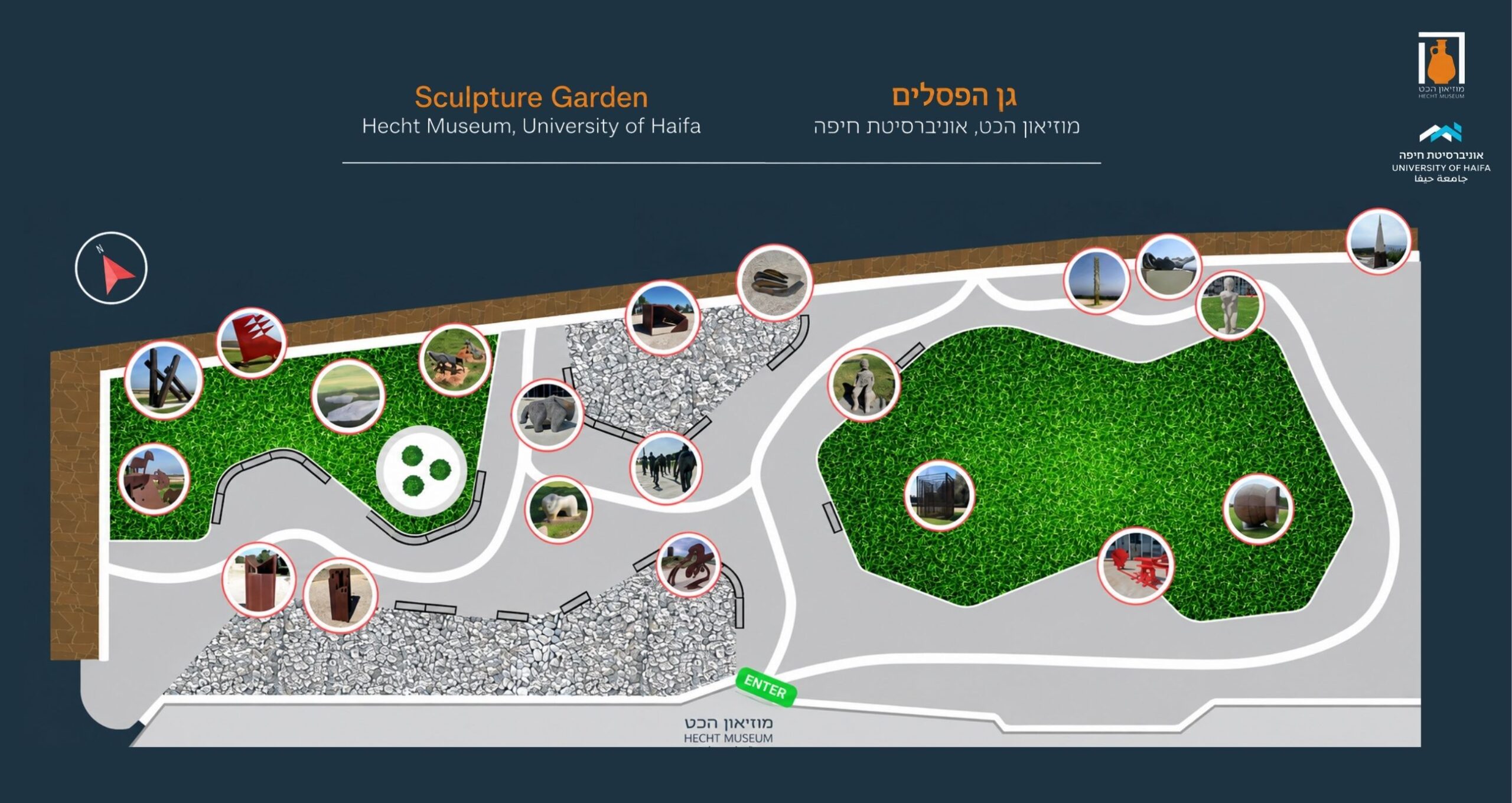
About the Sculpture Garden
The Sculpture Garden features 21 outdoor sculptures by 18 Israeli sculptors. Previously displayed at the Open Museum in the Tefen Industrial Park, the works found a new home at the Hecht Museum at the University of Haifa following the closure of the Tefen site.
These works are among the most significant achievements in Israeli sculpture and represent milestones in the history of local art. Reflecting a wide range of artistic approaches, they offer a unique perspective on the discourse surrounding sculpture in Israel during the 1990s. Their new setting in a garden overlooking the magnificent landscapes of Haifa and northern Israel creates a fresh dialogue—between one sculpture and another, and between the sculptures and their natural surroundings. The Sculpture Garden further contributes to the transformation of the Hecht Museum in particular, and the University of Haifa as a whole, into one of Israel’s leading cultural and artistic complexes.
The story began with Stef Wertheimer’s philanthropic contribution to the community, through which Amos Keinan initiated the Sculpture Garden at the Tefen Industrial Park. Over the years, Ruti Ofek, the former director and curator, developed it into an outdoor museum of considerable importance in the field of Israeli art.
The garden was established with the support of the Hecht Foundation, the Wertheimer family, the Open Museum at the Tefen Industrial Park, and the University of Haifa.
The sculptures were conserved by Yonatan Ofek and his team, who also installed and secured them in the garden. This work was carried out in collaboration with the artists and their families.
Admission to the Sculpture Garden through the Hecht Museum is free of charge. Visitors are encouraged to arrive via the Carmelit cable car system, allowing the garden to gradually unfold into view from above.
List of Artists
Micha Ullman; Ilan Averbuch; Eli Ilan; David Gerstein; Boaz Vaadia; Shlomo Selinger; Yaakov Hefetz; Dov Feigin; David Fine; Bernie Fink; Ofra Zimbalista; Menashe Kadishman; Amos Keinan; Miriam Karoly; Philip Rantzer; Yehi’el Shemi; Eran Shakine; Igael Tumarkin.